Published 4:18 pm Thursday, September 24, 2026
By Rebecca Dyok
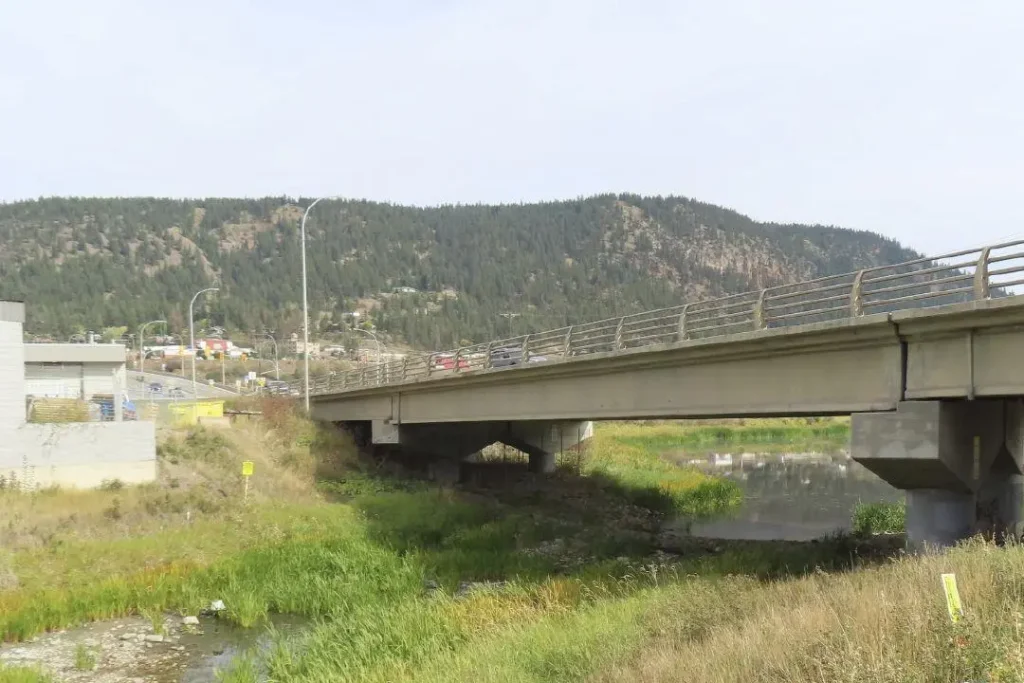
Scenes of little water flowing in a dry river bed is raising the concerns of some residents in Williams Lake.
“It’s the lowest I’ve ever seen it this low,” Wilber Saunders, a Williams Lake resident, wrote on the Facebook group Williams Lake Stay Up To Date.
In his post, Saunders shared pictures of the Williams Lake River, also referred to as Williams Lake Creek, where there appeared to be no water running under an overpass.
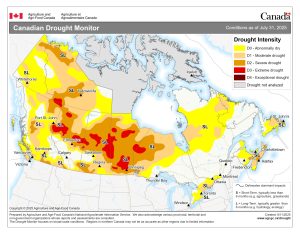
Across the province, the B.C. government issued a Sept. 21 information bulletin encouraging all water users to continue conservation measures and plan ahead while drought and water scarcity persists.
According to the bulletin, drought conditions have been particularly severe in parts of the southern Interior, where Okanagan Lake is currently at its lowest level recorded for this time of year in more than 80 years.
In Williams Lake, concerns of low water levels have been shared with city councillors, some of whom have also taken to social media.
At a Tuesday, Sept. 22 regular city council meeting, Williams Lake mayor and councillors agreed to forward a letter to the province requesting information on the status of the San Jose Watershed (water entering Williams Lake and flowing into the Williams Lake River) and its plan.
The late recommendation was made by Coun. Scott Nelson.
“This is one of the first times in 30 years that I’ve never seen water flowing out of our lake, so I’m concerned that it may have some problems and I think it’s best we get up on it and take a look,” he said.
Coun. Sheila Boehm noted one of the sessions she recently attended and moderated at the Union of BC Municipalities annual convention was on watersheds.
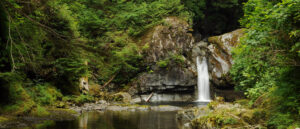
“It’s been something that UBCM has been looking at due to the fact of global warming and the lack of water everywhere and less snow pact” Boehm added, noting she had one of her chiropractic patients tell her of low levels when they went to look at waterfalls in and around 100 Mile House.
Boehm believes there is a need for a watershed working group and said there are some great examples of different communities pulling people together such as First Nations and ranchers.
“We need to do something. We need to start looking at the water.”
Coun. Joan Flaspohler said she was equally concerned and she too has heard concerns, including within the last seven, eight years of a different colour in the lake.
She added, however, that she has also ran the creek valley for many years and that it is not the first time of seeing just a trickle of water coming out. A planner, Flaspohler said she remembers, was also at their Emergency Operations Centre (EOC) planning table in 2020 when there was a one-in-two-hundred-year flood event and said they had seen the creek dry up many years before.
“So it’s not unusual. It has been doing it for a long time, and I must say that this is climate change,” Flaspohler noted. “This is the impact of wildfires without the water retention that you need, and the flow that is now going to the watershed because of those impacts, and I think this is the reality.”
While Flaspohler said she understands the concerns of local citizens and her colleagues, she was unsure if putting money or a plan towards the current situation or forming a committee would rectify anything.
Chief Administrative Officer Gary Muraca reminded council to be cautious of taking “too much initiative.”
In May 2025, the city was directed to prepare a report recommended by the Province on other options for vegetation removal after receiving a two-year trial permit to remove vegetation from the nutrient rich lake with a lake harvester.
It had cost the city more than $123,000, since the lake harvester was purchased in 2020, and had been used for a total of five hours. In order to obtain another permit to use the lake harvester again, staff estimated the cost to the city at $23,502, for a study, monitoring biologist, and transport of the harvester to and from the lake.
”Not only that but I think (the provincial) government loves to download anything they can (on local government),” Mayor Surinderpal Rathor added.
Coun. Angie Delainey agreed not to spend any money at this point in time but to keep an eye on monitoring
“I think we can ask the Province what they are doing for drought codes and what’s happening with lake level monitoring because they do monitoring, and then keep an eye on that through staff and see where it goes,” she said, noting it was a significant drought year.
“It was big time dry but we’re also headed for another El Niño year and they’re talking about it being super wet, so we do get fluctuations.”
Delainey said she too did not want to accept any more downloading from the Province that should maybe take care of the lake.
Outside Williams Lake city boundaries, Nelson said he was aware of people whose wells have gone dry and were having to drill even deeper for a new one.
While the city’s deep wells located on Scout Island and North Lakeside draw from an underground aquifer in the centre of the valley below the lake, Muraca confirmed to the Tribune the levels are stable and consistent based on three years of data.
“There are no effects to the aquifer from the low lake levels and quality remains consistent,” Muraca said.
The Tribune has reached out to the Cariboo Chilcotin Conservation Society and the Williams Lake Field Naturalists for further comment.