by Alix Hodson, May 17, 2025
Protect What We Love: Responding to Minister Kahlon’s Call to Action
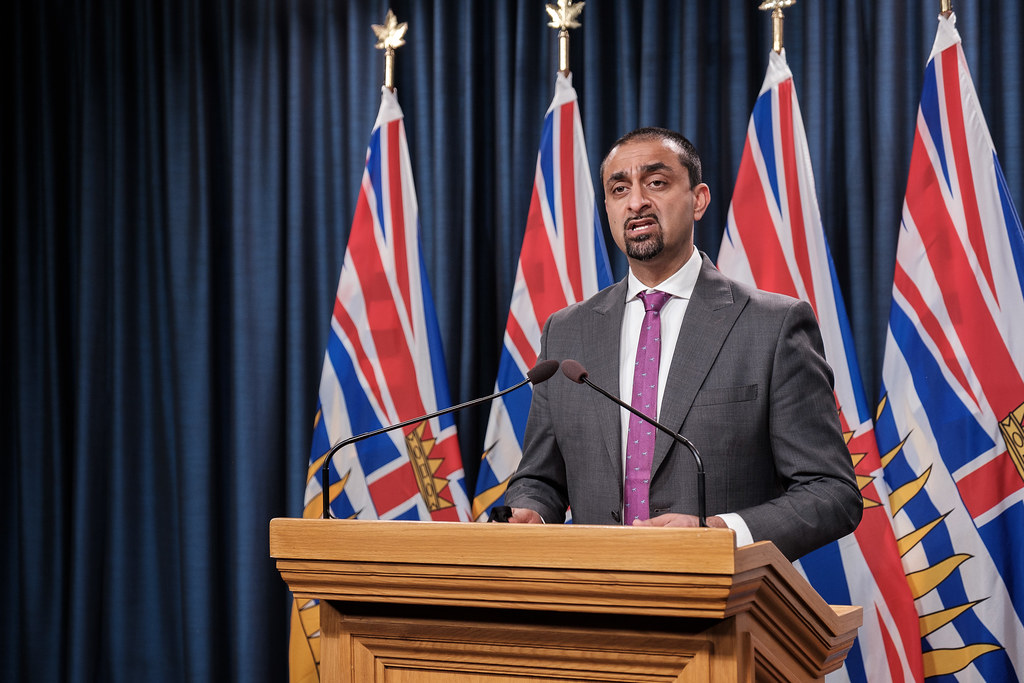
On April 28, 2025, Minister of Housing and Municipal Affairs Ravi Kahlon issued a pivotal letter to the Islands Trust in response to a second request for a review of the Islands Trust Act. His message is clear and urgent: it’s time to get serious about protecting what makes our islands unique.
The Minister emphasizes:
“Land use planning to preserve and protect the Trust area and its unique amenities and environment is the core responsibility of the Islands Trust… and that island communities have a role to play in local environmental stewardship…”
This is not abstract policy. It’s about our forests, our water, and the legacy we’re leaving behind.
One of the Minister’s key points is the concept of carrying capacity—the idea that islands can only support so much growth before damaging their ecosystems. He writes that protection:
“…requires careful deliberation and consideration of perspectives to manage expectations of growth, development and local economies without exceeding the carrying capacity of local ecosystems and preserving unspoiled natural amenities.”
But this carrying capacity has not yet been defined for many islands. Without that definition, we can’t responsibly plan or protect what matters most.
Back in 2019, a Trust-sponsored survey already showed that Gabriola Island was at or beyond the “Tipping Point of Environmental Health.” Six years later, development continues, but the fundamental question remains unanswered: how much growth can these islands sustain?
Unfortunately, Local Trust Committees have yet to prioritize this assessment, and appear reluctant to fully embrace the Minister’s directive.
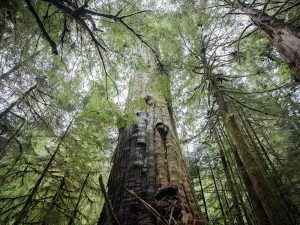
Groundwater resupply is a crucial part of carrying capacity. Forests play a vital role by acting as natural water filters and recharge zones. They clean the air, retain moisture, and support biodiversity—but they’re vulnerable to development pressure.
Protecting forests, especially in recharge zones, is essential.
Science supports reasearch:
“Forests are the most beneficial land use for protecting water quality… essential to the provision of clean drinking water… and provide valuable ecological services and economic benefits including carbon sequestration, flood control, plant life, understory and wildlife.”
The Minister has directed the Trust to use the province’s ecological toolkit and clarified that “unique amenities” refers specifically to:
“…unspoiled natural amenities.”
That removes ambiguity and reinforces the need for protective policies that:
• Restrict development on private forest lands, parks, and green spaces.
• Clearly define and enforce regulations.
• Designate Development Permit Areas (DPAs)that protect all recharge zones from development.
In simple terms: if we want to keep the islands wild, clean, and livable, we need to act now. To do this, all Official Community Plans (OCPs) should:
• Define carrying capacity using sound science and current authentic data.
Prioritize forest protection in groundwater recharge zones.
• Limit or prohibit development in ecologically sensitive areas.
• Plan with climate change and population growth in mind.
This doesn’t mean halting all growth. It means guiding it wisely, so we don’t destroy the very things that make these islands worth living on.
Minister Kahlon’s directive is clear: the Islands Trust must act as an environmental steward, not a land developer. Residents and visitors alike value the Gulf Islands for their natural beauty, rural character, and peace.
If we want these values to last, we must protect what we love—together.
Alix Hodson Deggan,
Gabriola Island