by Mary Griffin April 30, 2026 6:33 pm
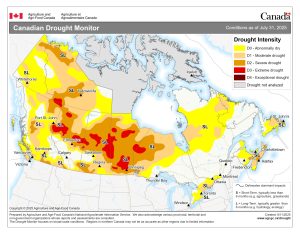
The South Island could see warmer than normal conditions this summer, with an early wildfire season and an unusually dry April mounting concerns of drought among climate experts.
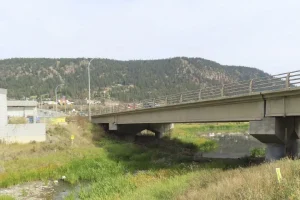
A trickle of water from Cecelia Creek into the Gorge Waterway could be a precursor of what’s ahead. March rains dried up in April, according to Colin Fong, Meteorologist with Environment and Climate Change Canada.
“Now that we are heading into the month of May, the models have been consistent, signalling warmer than normal conditions to continue across the Victoria region. And even just the province as a whole especially south coast,” Fong said.
Fire season has already started on Vancouver Island, the earliest start in memory.
And a dry April is not helping.
According to Environment and Climate Change Canada, Victoria Airport reported 30 millimetres of rain in April, 75 per cent of normal. The Gonzales weather station reported 20mm, 55 per cent of normal. But in Vancouver, only 26mm of rain fell, 30 per cent of normal.
For the first time ever, the City of Vancouver is starting its water restrictions at stage two on May 1, where all residential water sprinkling will be banned.
Greater Victoria is in better shape at this point with a full reservoir heading into summer.
Dr. Glenn Harris, senior manager of Environmental Protection at the Capital Regional District (CRD) said this year is a typical year, with the region’s reservoir at 99 per cent capacity.
“We’re well set up for this. This year we’re putting in stage one restrictions like we do every year. That just limits when you should be watering your lawns,” Harris said.
Although this winter was wet, it was warm. And there is little precipitation in sight.
Dave Campbell, head of the BC River Forecast Centre said winter storms came through as rain rather than snow, resulting in less snow on the mountains.
“Vancouver Island and the south coast really does rely on that rainfall to keep us going through the summer months. We’ve seen dry weather like we have in the Lower Mainland, And we’ve seen that low snowpack. So similar concerns that we have in the Lower Mainland we have on the Island,” Campbell said.
And that’s not good news for the regions, creeks and streams, and the wildlife that relies on them. Especially with snowpack levels on the island at 44 per cent of normal, according to Tanis Gower, biologist with the Watershed Watch Salmon Society.
“We had about that in 2024. And by August, we had drought level five in our streams. So we’re talking about drought, lack of lack of rain. But we’re also talking about how much water is in our creeks and rivers. And for fish that’s a real concern for us at Watershed Society,” Gower said.
And the worrying trend is a concern across the border as well. Washington State declaring a drought emergency as it heads toward its fourth dry summer in a row.