A new report finds B.C. charges industrial users a maximum of $2.25 per million litres of water—70 times less than Quebec—at at time funding for watershed protection has plummeted more than 80 per cent.
Oct 23, 2025 4:59 PM
Updated Oct. 24, 2025, 5:09 p.m.
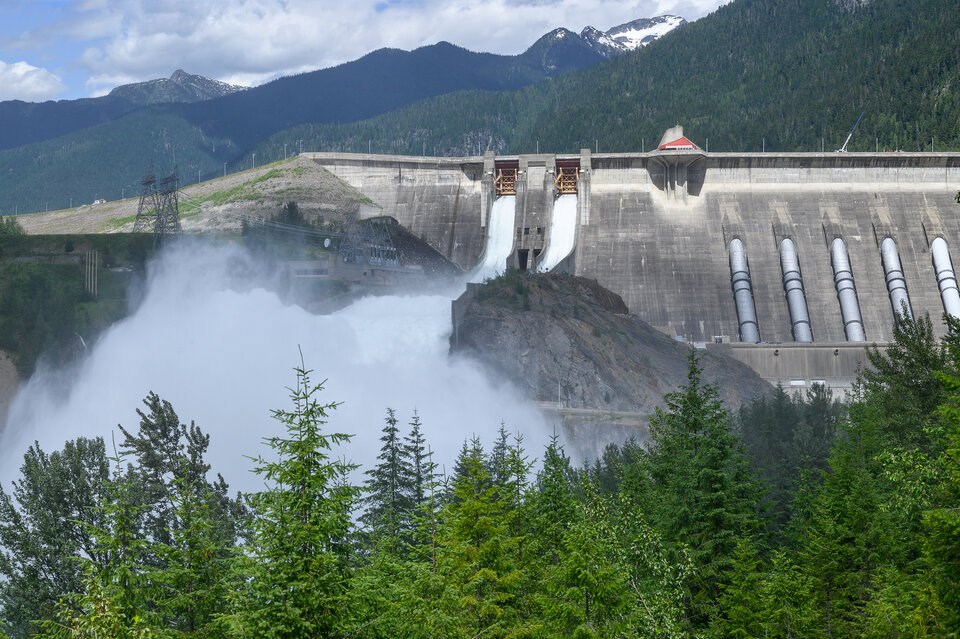
The Revelstoke dam on the Columbia River is the third largest generating station in B.C. A recent report found increasing industrial water rates while drawing 20 per cent water rents from hydro stations could create funding for 13,000 new jobs in watershed security.James_Gabbert / iStock / Getty Images Plus
B.C. charges the lowest rates for industrial water use in Canada at a time when government funding to protect watersheds has plummeted, according to a new report.
The B.C. government charges a maximum of $2.25 per million litres of water for industrial users in the province — nearly 70 times less than the $155 charged per million litres in Quebec, according to a report from the B.C. Watershed Security Coalition.
Coree Tull, chair of the group and co-author of the report, said a million litres of water is equivalent to someone leaving their kitchen tap running for six months straight.
“We’re giving away a shared public resource to some of the world’s biggest companies,” said Tull, whose group says it represents more than 50 organizations, including farmers, local governments, businesses and conservationists.
B.C.’s top industrial water users — all oil and gas, energy and mining companies — together pay less than $1 million to access more than 500 billion litres of water every year, the report found.
The calculation, which was made after a review of water permits across the province, does not include allocations for hydroelectric facilities, which are charged under a different model. It also doesn’t include water permits for pulp and paper mills, as they are charged for actual use, and the data is not made public.
All of the water permits examined in the report showed allocation — not actual use — and Tull said her team’s research revealed “real lack of transparency.”
“There’s no requirement to report on how much they are using,” she said. “It’s really hard to effectively manage our water when there’s no way to know how much is being consumed.”
In an emailed statement, B.C.’s Ministry of Water, Land and Resource Stewardship said it is “moving forward” on water permitting reform and is looking to update laws, fees and rentals around water allocation to better align with other Canadian jurisdictions.
The ministry said it is exploring industrial water rate increases, but the timeline to implement any changes has not been determined, and it must consider potential impacts to businesses and affordability.
“We recognize that during these challenging times, we also need to support our business sectors in remaining competitive,” the statement said.
Access to 500 billion litres of water a year costs less than $1 million
The largest industrial water permit identified in the report was issued to NorthRiver Midstream Operations GP, an oil and gas company that paid just shy of $115,000 for access to more than 107 billion litres of water.
Two water permits held by Teck Metals Ltd. — one at its Trail smelter and another at its Highland Valley copper mine south of Kamloops — allocate the company’s operations a combined 140 billion litres of water at a cost of about $360,000 per year.
The mining giant Glencore held two major water licences through its subsidiary EVR at coal-mining operations in the province’s Elk Valley region. The licences allocate more than 94 billion litres of water at a cost of about $86,000 a year.
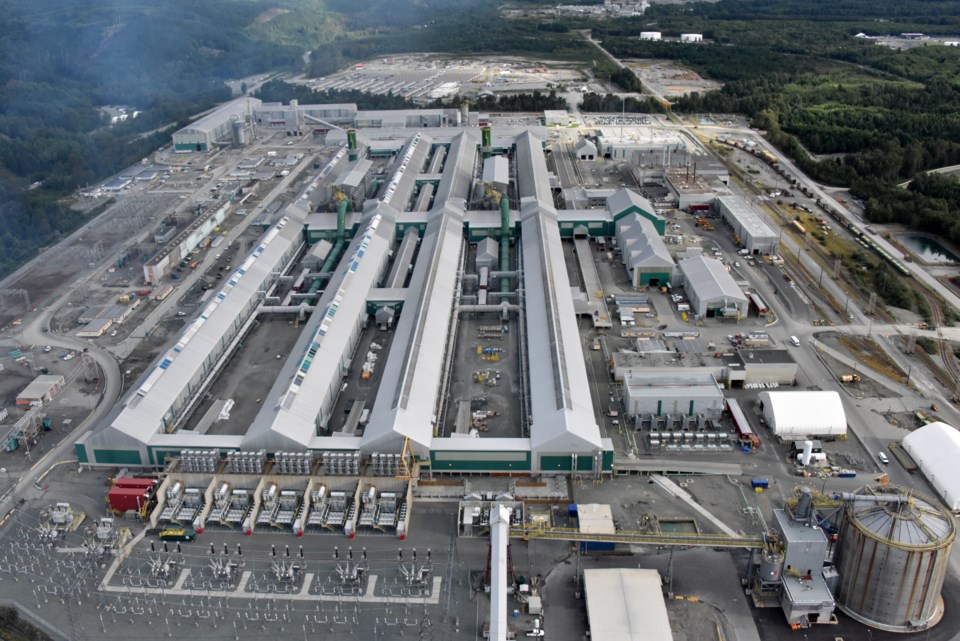
Global aluminum producer Rio Tinto Alcan Inc., meanwhile, pays about $183,000 to use up to 81 million litres of water a year.
Other major industrial water permit holders identified in the report include:
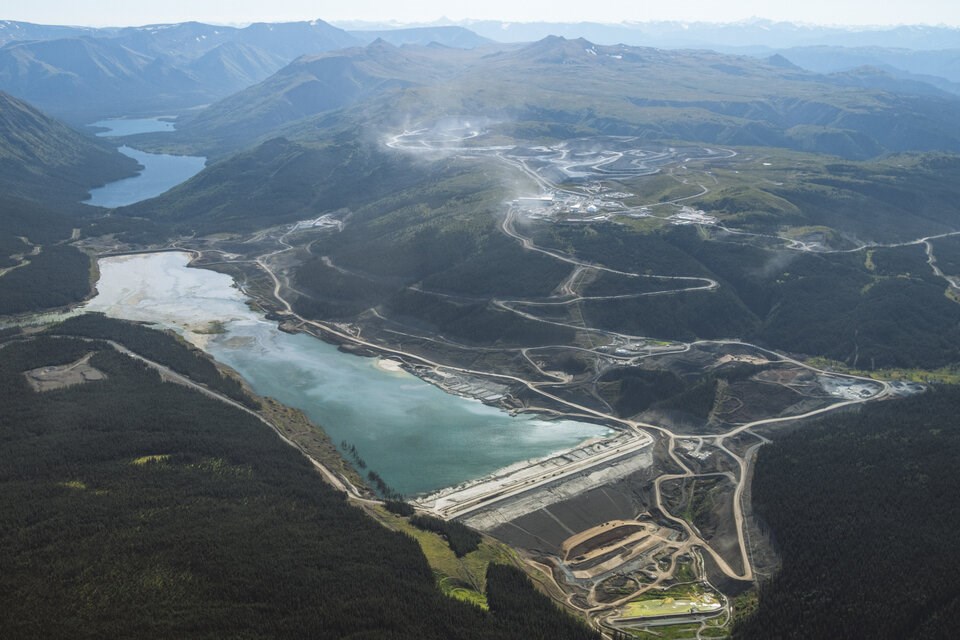
- Thompson Creek Metals Company, a large mining company that, among other assets, operates the Mount Milligan open-pit copper and gold mine northeast of Prince George;
- Woodfibre LNG General Partner, the consortium building an LNG export terminal near Squamish;
- Capital Power Generation Services, which operates a 275-megawatt gas-fired power plant near Campbell River;
- and Newcrest Red Chris Mining Ltd., the company set to expand a major open-pit copper and gold mine as one of five “nation-building” projects set to be fast-tracked by the federal government.
All together, the top 10 industrial water permit holders have access to more than 500 billion litres at a cost of less than $1 million, the report found.

BIV reached out to all of the major water permit holders listed in the report, but only one responded before publication time.
In an email, Woodfibre LNG spokesperson Sean Beardow said the amount of water the company can use is “far beyond our actual use” and includes a number of legacy water licences it acquired from a previous owners.
“Woodfibre LNG respects the province’s role in setting water rates and will continue to work constructively within its framework,” said Beardow. “We treat water as a valued resource. Our focus will remain the efficient and conscientious use of water when required.”
’Not valuing our water’
B.C. industrial water rates were found to be much lower than those in other Canadian jurisdictions.
On the East Coast, the report found Nova Scotia charges between $66 and $179 per million litres of industrial allocation.
Even Ontario, which charges a relatively low minimum industrial rate of $3.71 per million litres, bumps the cost up to $504 for bottled-water companies.
And in Quebec, recently overhauled regulations set the minimum industrial water rates at between $36 and $155 per million litres for industrial users, with bottled-water companies paying an annual premium of $515 per million litres.
“Not only are B.C.’s industrial water rates super-outdated — they’re unfair and unsustainable,” said Tull.

She said Quebec’s model, which the province rolled out in 2024 and has so far raised tens of millions of dollars to secure its watersheds, is one B.C. could follow.
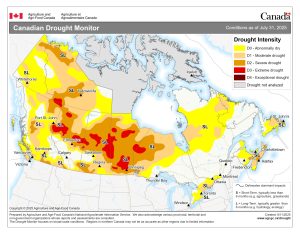
“There’s a huge opportunity here in the province to generate new revenue as communities are struggling to deal with drought or floods,” said Tull.
She pointed to Rio Tinto, a company that operates aluminum production facilities in both Quebec and B.C. The company, she said, pays $3 million for industrial water every year in Quebec, while in B.C., allocation for roughly the same amount of water costs the company less than $200,000.
“We’re simply not valuing our water properly,” said Tull. “It’s only fair the ones who are profiting most from the water are paying their fair share.”
Hydro water rents to climb as water security funding falls
None of the calculations include water rents collected from hydroelectric generators, which in 2024-25 raised $383 million in revenue for the B.C. government.
That figure is expected to climb to $577 million in 2028 as new hydro electricity generation facilities come online. To date, none of that revenue is reinvested to protect the watersheds the water comes from, the report says.
Meanwhile, provincial money allocated to protect watersheds has seen a precipitous decline in recent years.
Over the past two years, funding to protect rivers and streams has dropped to $5 million — more than 80 per cent less than the $30 million provided by the province in 2022-23, the report says.
Tull and her team are calling on the B.C. government to increase its industrial water rates to align with Quebec’s, while reinvesting 20 per cent of annual revenue growth from hydropower water rents back into watersheds.
The Ministry of Water, Land and Resource Stewardship told BIV it is investing “significantly more” in watershed security than it did five years ago, but “we know there is more to do.”
The ministry also pushed back on directly comparing industrial water fees with those in other provinces. It noted that B.C. does not provide volume exemptions as some other provinces do. Many industrial water users in B.C. also pay water rents to utilities and suppliers above the fees the government charges, the statement said.
“Comparing provincially set water fees and rentals across provinces is not straightforward,” said the ministry.

Work restoring and managing watersheds already supports 47,000 jobs and adds $5 billion in gross domestic product to B.C.’s economy, “more than agriculture and equal to mining,” the report claims.
It points to past economic research, noting that the rate hikes — which would not apply to farmers, households or small businesses — could generate up to $100 million in annual revenue. That, in turn, is estimated to generate another 13,000 jobs over the next decade, while adding $1.3 billion more to provincial GDP.
The B.C. Watershed Security Coalition also recommends establishing an independent expert panel to review rates every three years. It says renewed investment should create local watershed boards that would “coordinate watershed planning, share data, manage water use, and respond rapidly to droughts and floods.”
The report comes four years after devastating flooding hit wide swaths of B.C., bursting dikes, flooding cities, knocking out highways and rail lines and sending thousands of people fleeing from their homes.
Extreme weather in 2021 was later estimated to have cost up to $17.1 billion, largely driven by the November flooding event.
“Watershed security and access to reliable water is not just about the environment,” said Tull. “It is about ensuring B.C.’s economic future.”
Editor’s note: This story has been updated to reflect comments from B.C.’s Ministry of Water, Land and Resource Stewardship.